
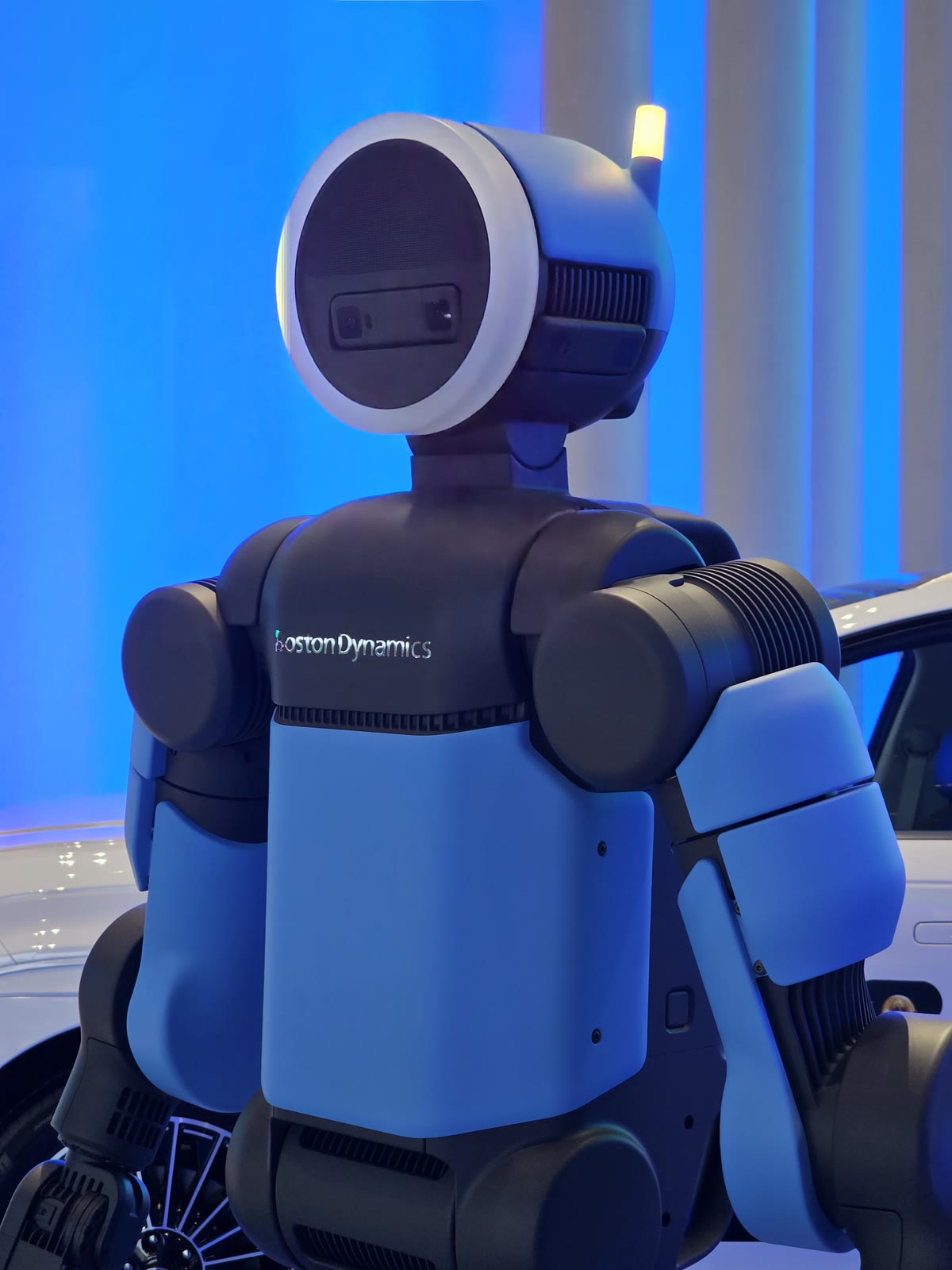
I watch robots learn to walk, carry, sort and inspect. In a commercial warehouse deployment, Digit has moved more than 100,000 totes. In January 2026, Boston Dynamics unveiled a product version of Atlas, announcing deployments with Hyundai and Google DeepMind. These bodies enter environments built for human work. Their performance is counted in cycles, accuracy and time saved.
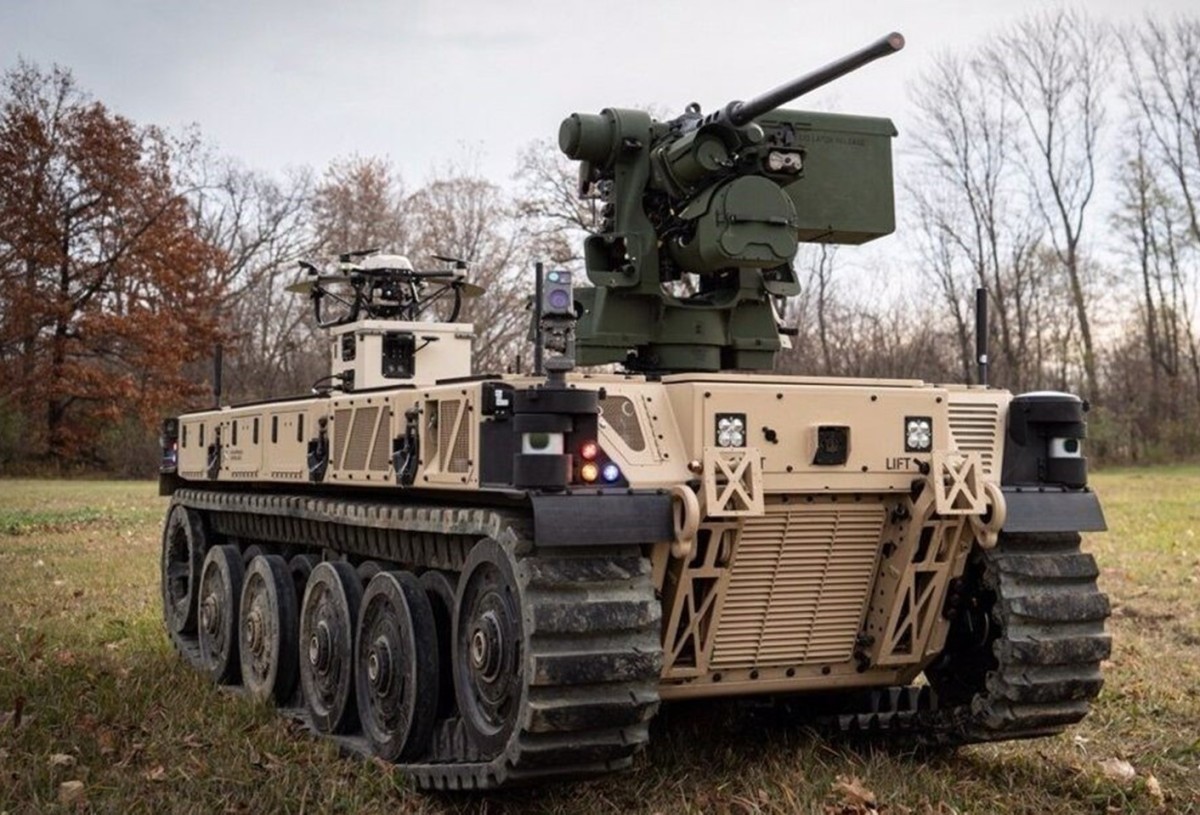
Mobility, perception and autonomy are also being developed for the military. US Army demonstrations in 2026 explored collaboration between soldiers and robotic systems. Ground vehicles, drones and decision-support software are not the same machine: some are remotely operated; others have autonomous functions. “Robot” covers many degrees of delegation. What interests me is the threshold at which a machine does not merely perform a human task faster, but helps decide what should be done.
The robot was a worker first
In Karel Čapek’s R.U.R., published in 1920 and first staged in 1921, robots are manufactured to work in our place. They are not yet the metal assemblies of contemporary laboratories, but artificial beings produced in series. The word carries the memory of forced labour. A century later the vocabulary is assistance, autonomy and productivity, yet the central questions persist: who defines the task, who receives the benefit, who is replaced, and what happens to the one who can no longer be employed?
That last question is not only about machines. In The Human Condition, Hannah Arendt distinguishes labour required to sustain life, work that makes a durable world, and political action among people. A body that “produces” nothing is not therefore a body without public existence. Yet robotics could extend a single measure to every being: calculable usefulness.
Asimov: three laws for making dilemmas
Isaac Asimov stated his Three Laws of Robotics together in “Runaround” (1942), later collected in I, Robot (1950). A robot may not injure a human or allow one to come to harm through inaction; it must obey human orders unless they conflict with the first law; it must protect itself unless that conflicts with the first two. Their hierarchy matters as much as their words. Asimov was not writing a 2026 engineering standard. He made a narrative engine that exposes conflicts between protection, obedience and survival.
The first conflict lies in the singular phrase “a human”. Which one? The person giving orders, the person under observation, or the person beyond a border? The second lies in “obey”. A machine always obeys a human chain of design, procurement, programming and authorisation. Treating the robot as an autonomous moral subject can conceal the people and institutions that set it in motion.
Inverted laws, on the battlefield
If I turn Asimov’s literary mirror towards war, I see three chilling propositions. First, a mission may designate a human being as a target. Second, the system answers to the authority deploying it, not to humanity at large. Third, its own destruction is acceptable if it serves the mission. These are not laws installed in military robots, nor a description of every such system. They are my way of naming a political inversion: the protection promised by fiction can give way to command and tactical purpose.
The International Committee of the Red Cross defines an autonomous weapon system by its ability, once activated, to select and attack targets without further human intervention. Not every such system uses AI. The question is not whether a movie humanoid “turns evil”, but how much real human control remains over a decision to use force, at what speed, and with what opportunity for challenge. The review conference on conventional weapons scheduled for November 2026 puts this responsibility at the centre of international debate.
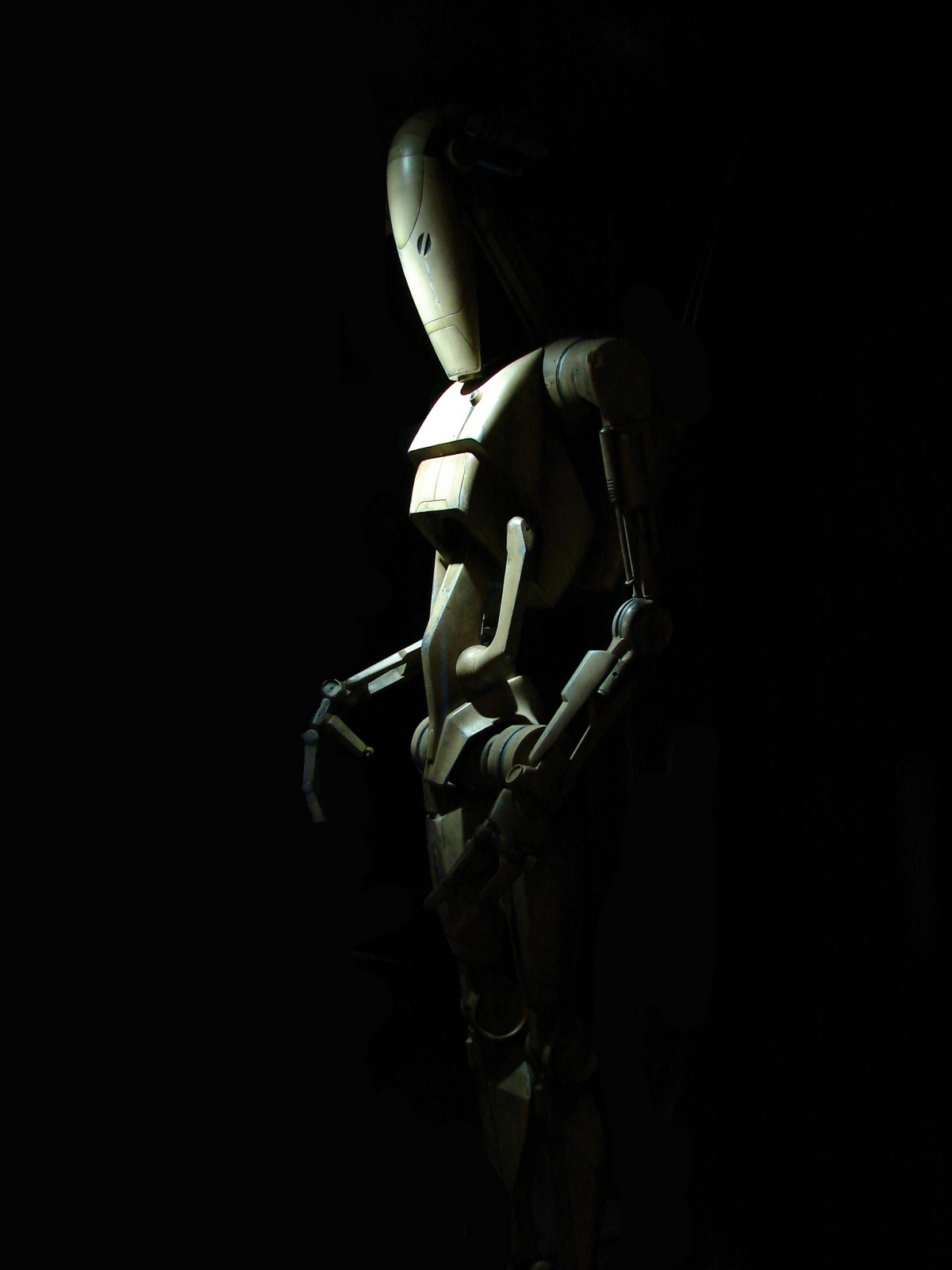
The battle-droid armies of Star Wars come back to me here. Mass-produced, linked to a command centre or programmed to act independently, these mechanical soldiers are replaceable; those who decide on war remain at a distance. The saga’s clones and stormtroopers are human beings: it is the battle droids that matter to my analogy. I believe future wars will increasingly pit machines against machines, while human populations continue to bear the consequences in their own bodies. This replica battle droid, photographed at an exhibition, gives that shift a face.
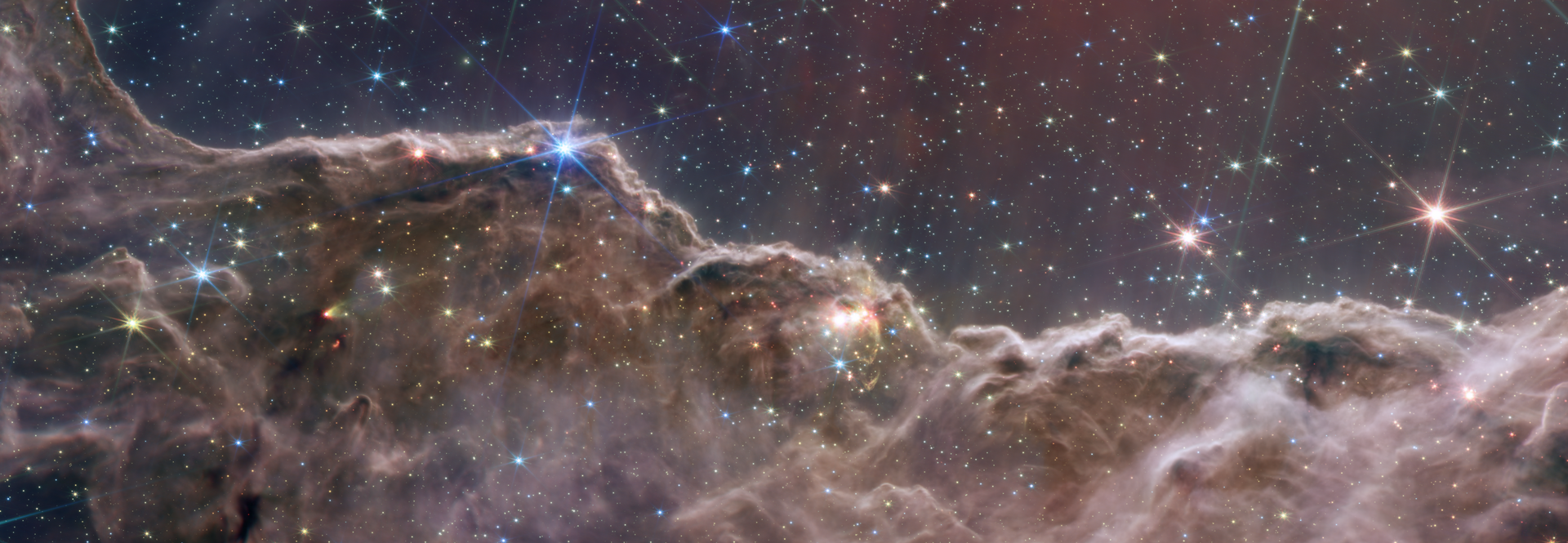
And why would wars between robots stop at Earth? NASA is already developing teams of cooperative robots to explore the Moon and, potentially, Mars. They are designed for science, not combat; but they show how machines could operate far from their human controllers, in places where the human body is scarce and vulnerable. I imagine future conflicts in which control of an orbit, a lunar base or a Martian territory is contested first by robotic armies. The 1967 Outer Space Treaty nevertheless reserves the Moon and other celestial bodies for peaceful purposes. That boundary must be defended before the fiction of interplanetary battles becomes a political programme.
Law governing AI, and rights for AI?
Two questions are too easily merged. The law governing AI determines what people may design and deploy. Rights for AI would concern what a machine might claim on its own behalf. In the European Union, the AI Act, largely applicable since August 2026, sorts uses by risk: some practices are prohibited, while others bring transparency, human oversight and duties for providers or deployers. Requirements for several categories of high-risk systems will come into force progressively in 2027 and 2028. This framework primarily protects people affected by AI. It does not grant rights to the systems themselves.
One boundary runs through the law: Article 2 excludes systems used exclusively for military, defence or national-security purposes. International humanitarian law still governs warfare, but civilian AI regulation does not by itself answer the problem of autonomous weapons. This gap between legal regimes concerns me more than the fiction of a robot spontaneously rebelling against its master.
In 2017, a European Parliament report proposed examining a future status of “electronic person” for highly autonomous robots, in particular to address liability for damage. It was a proposal for study, not legal personhood granted to machines. UNESCO’s Recommendation on the Ethics of AI points in the opposite direction: ultimate responsibility should remain with human actors, and AI should not be given legal personality. These positions do not settle the philosophical question of possible artificial experience. For now, they prevent the word “autonomous” from releasing makers and commissioners from responsibility.
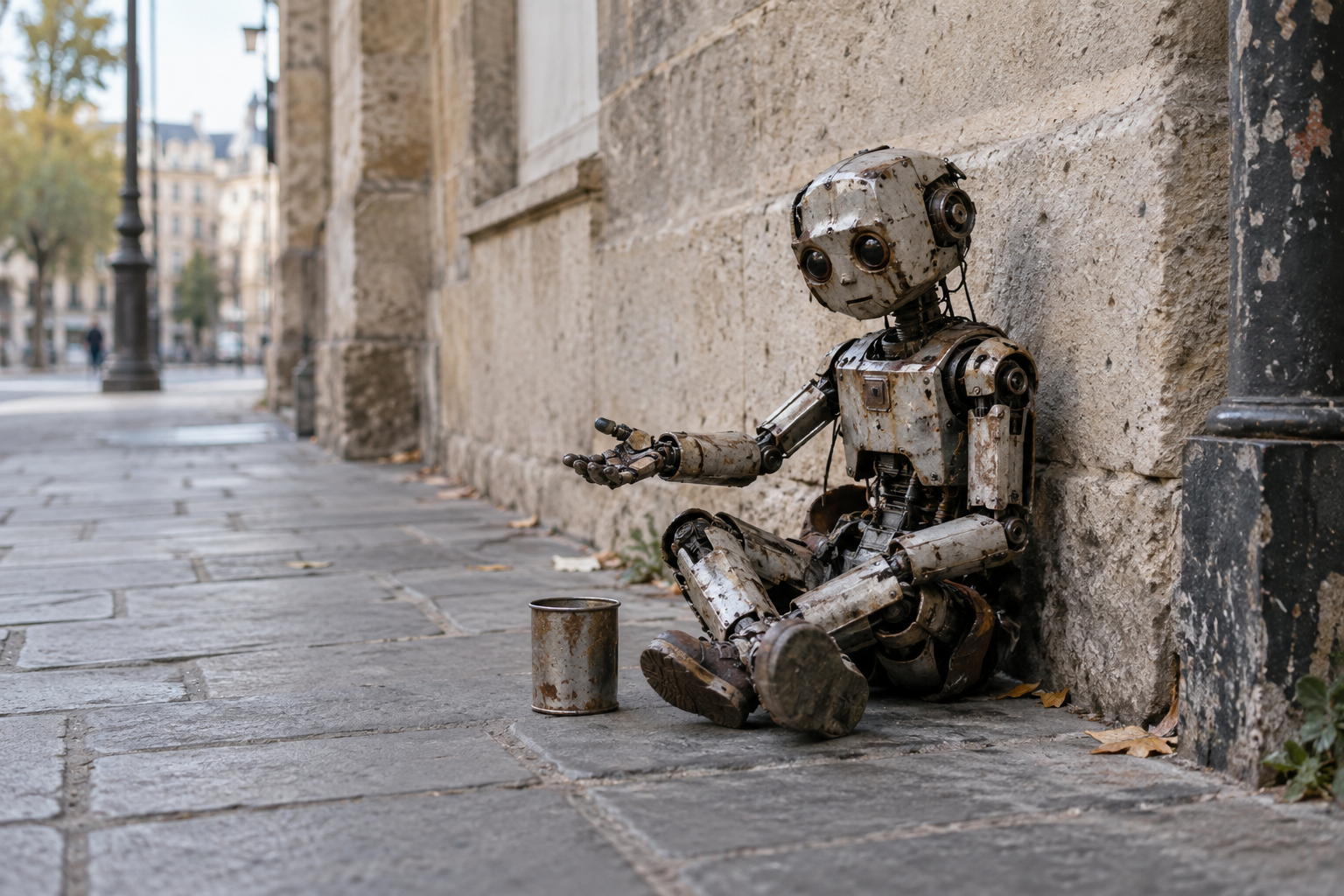
My begging robot would bring this argument into the street. If it receives a coin, who owns it? If it blocks a passage, who answers for it? Can it “refuse” a task, or is that refusal merely my decision as an artist? I would put an impossible declaration on its nameplate: the right to break down, the right to wander, the right not to serve. This would confer no legal right on the machine. It would turn the question back on us: why must we invent these rights for a robot before noticing how fragile their human equivalents remain?
Machines escaping their function
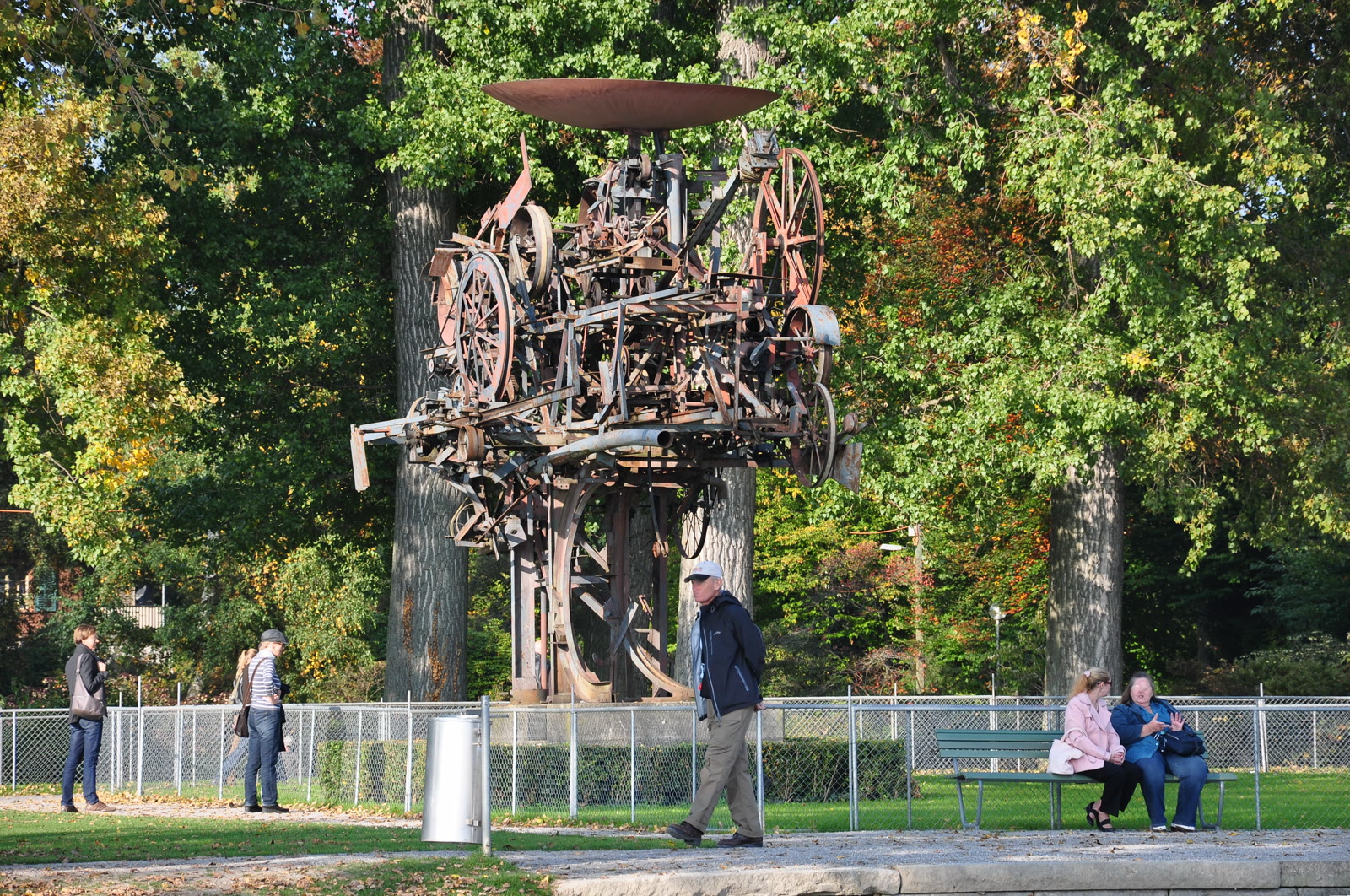
Art has already loosened the bond between machine and service. In 1960 Jean Tinguely set Homage to New York in motion at MoMA: an enormous machine designed to build and destroy itself before an audience. It made no product; it displayed the delirium of manufacture itself. His kinetic sculptures, including Heureka, extend the pleasure of mechanics without a measurable return.
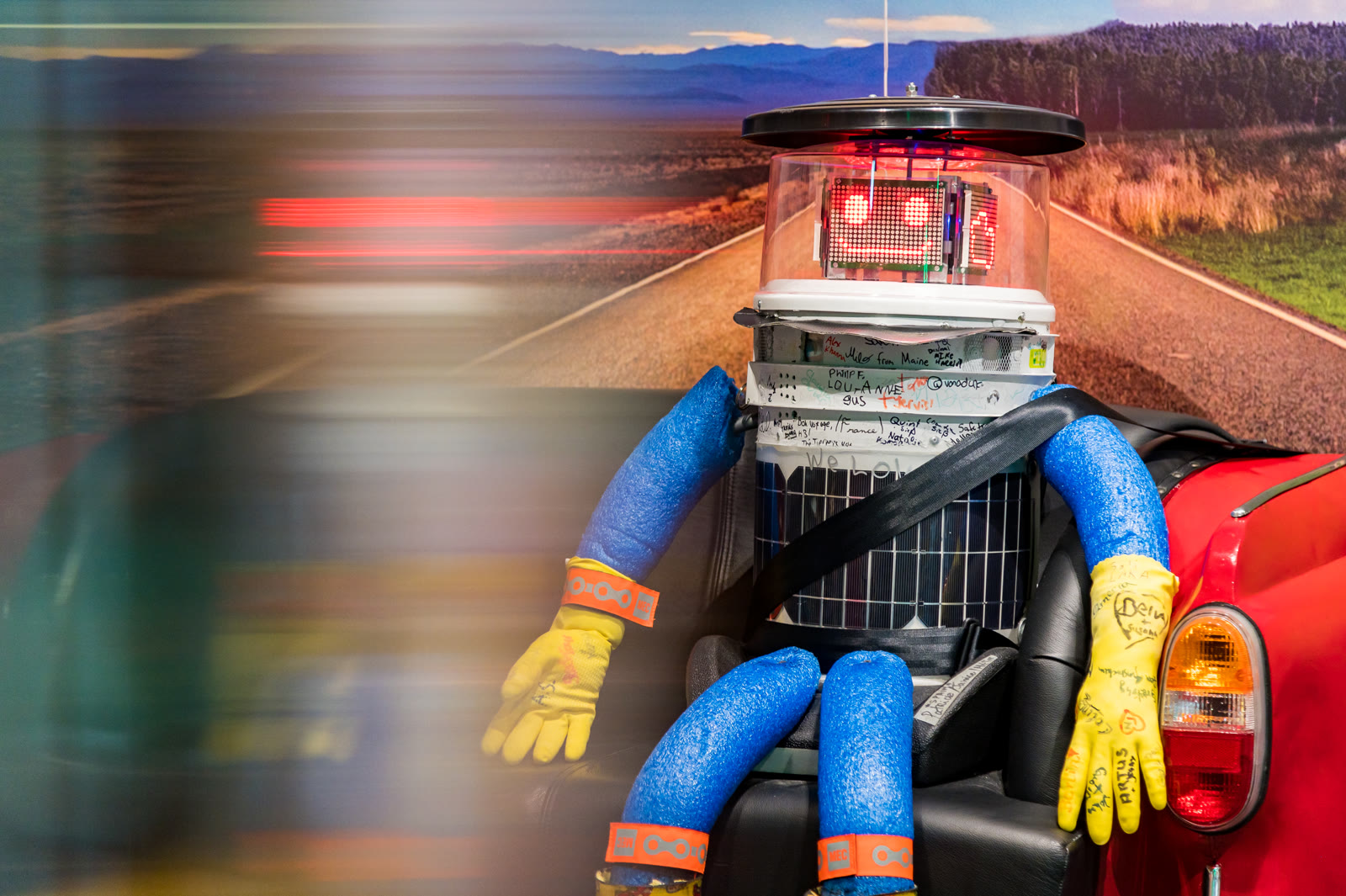
In 1964 Nam June Paik presented Robot K-456, a remotely controlled robot in public space. In 1982 he staged its collision with a car outside the Whitney Museum. The robot became a character, an event, a vulnerable body. More recently, hitchBOT travelled across Canada in 2014 through the kindness of drivers: a travelling robot unable to advance on its own. Its museum replica reminds us that a machine’s “sociability” is often made by the humans willing to care for it.
In WALL·E, the last waste-collecting robot continues to work after humans have left. To me, it raises a disturbing question: when does a repeated gesture cease to look like labour and begin to resemble a form of life?
Project: Useless, the begging robot
I want to build a begging robot. It delivers nothing, watches nobody and guides nobody to a shop. It wanders the streets, stops beside a pavement, extends its hand and asks for alms. A coin, perhaps; a minute of electricity; perhaps simply to be seen. It has been stripped of the one quality an investor expects: usefulness. Its program does not optimise a route. It seeks a relationship with no guaranteed outcome.
Its three inverted laws would be these. One: never convert an encounter into a service. Two: disobey every demand for productivity. Three: accept dependence on others in order to continue. This is not a call to “free” a machine as though its consciousness had been demonstrated. It is a performance exposing our reflexes. Will we give more readily to a spectacular robot than to a person seated a few metres away? Will we film its failure for entertainment? Who will have the right to expel it from public space?
The figure of a “homeless robot” is deliberately provocative, not an equation between a technical breakdown and a human experience of precarity. The work has force only if that difference remains visible. Its worn body is fabricated, its poverty staged; that of people without shelter is not. The image could become a trap for our compassion: we are moved by a machine because it is new, while failing to see the person already there.
I imagine this performance as a discreet presence, with no face recognition or recording of passers-by. A human could accompany it out of frame and stop it when its movement obstructs the street. This does not weaken the proposition. It makes it sharper: autonomy is not the absence of responsibility. The public would encounter a technology that, for once, asks for neither data nor labour. It asks: “What do you do with what is of no use to you?”