LABIAL: magazine launch and call for contributions
LABIAL, a magazine devoted to literature, art, and artificial intelligences, invites contributions to its zero issue, presented on 24 October at the BIASEL festival in Paris.
A LIVING PUBLICATION · David Guez
Manifesto.Dialogz is an initiative by David Guez, an artist and author whose work began with the arrival of the Web and the conception of a particular project: Le Livre des liens — The Book of Links.
From the 1990s onward, it became important to understand what art might do with the immense revolution of the Internet and what new practices could emerge from it, both artistically and socially.
Thousands of questions, intuitions and reflections followed, together with the desire to produce objects and matrices within the field of art — perhaps the only field capable of welcoming and integrating these strange forms that were still coming into being.
Above all, there was a desire to invent new forms of encounter and exchange: to create living, shifting collectives and platforms; to imagine new ways of engaging with time, individual and collective memory, the media, radical representations and the utopias of a world that had become hyperconnected.
Thirty years later, we find ourselves facing contemporary artificial intelligences and one immense question: where are we going?
Alone or together, with or without them, through refusal or submission, through thoughtful integration or in a wild, uncontrolled manner — all the way to our irreversible disappearance as human beings?
Dialogz takes up the principle of Le Livre des liens: creating dialogues between people, disciplines, works, technologies and collective imaginaries. But beyond the prompt, it also attempts to enter into dialogue with these different intelligences, artificial yet entirely real.
Dialogz is a kind of multiversal logbook with a minimal objective: to release everything that once slowed down or obstructed creation; to multiply proposals, theories and outlandish hypotheses; to bring previously separate fields into contact; and to venture further into radicality.
To be able, at last, to begin with an image, an intuition or a detail encountered in a book, a film, a poem or a simple glance, and immeasurably expand the reach of our imagination.
And who knows?
We remain — and we will remain — fragile, mortal, anxious, in love and, in that respect, different.
Welcome to Dialogz.
RECENT PUBLICATIONS
LABIAL, a magazine devoted to literature, art, and artificial intelligences, invites contributions to its zero issue, presented on 24 October at the BIASEL festival in Paris.
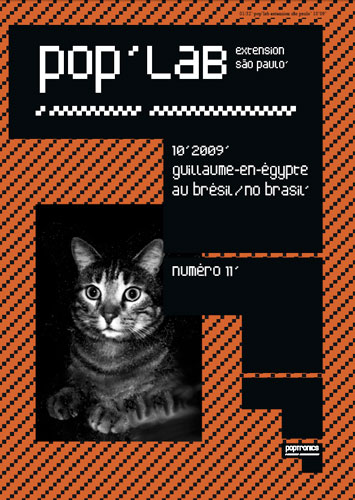
From Poptronics, which I helped conceive, to Neural and Right Click Save, a journey through magazines that shaped net.art and digital art. It leads to LABIAL, a magazine of literature, art and artificial intelligence at Éditions L, at labial.fr.
From my 2006 Hypermoi project to a possible LLM of oneself, I explore the digital double that survives us: what it remembers, what others know about us, and the right to stop answering.
THE DIALOGZ ARCHIVE
Search an exact word or phrase in every published article.
21 published article(s)
LABIAL, a magazine devoted to literature, art, and artificial intelligences, invites contributions to its zero issue, presented on 24 October at the BIASEL festival in Paris.
From Poptronics, which I helped conceive, to Neural and Right Click Save, a journey through magazines that shaped net.art and digital art. It leads to LABIAL, a magazine of literature, art and artificial intelligence at Éditions L, at labial.fr.
From my 2006 Hypermoi project to a possible LLM of oneself, I explore the digital double that survives us: what it remembers, what others know about us, and the right to stop answering.
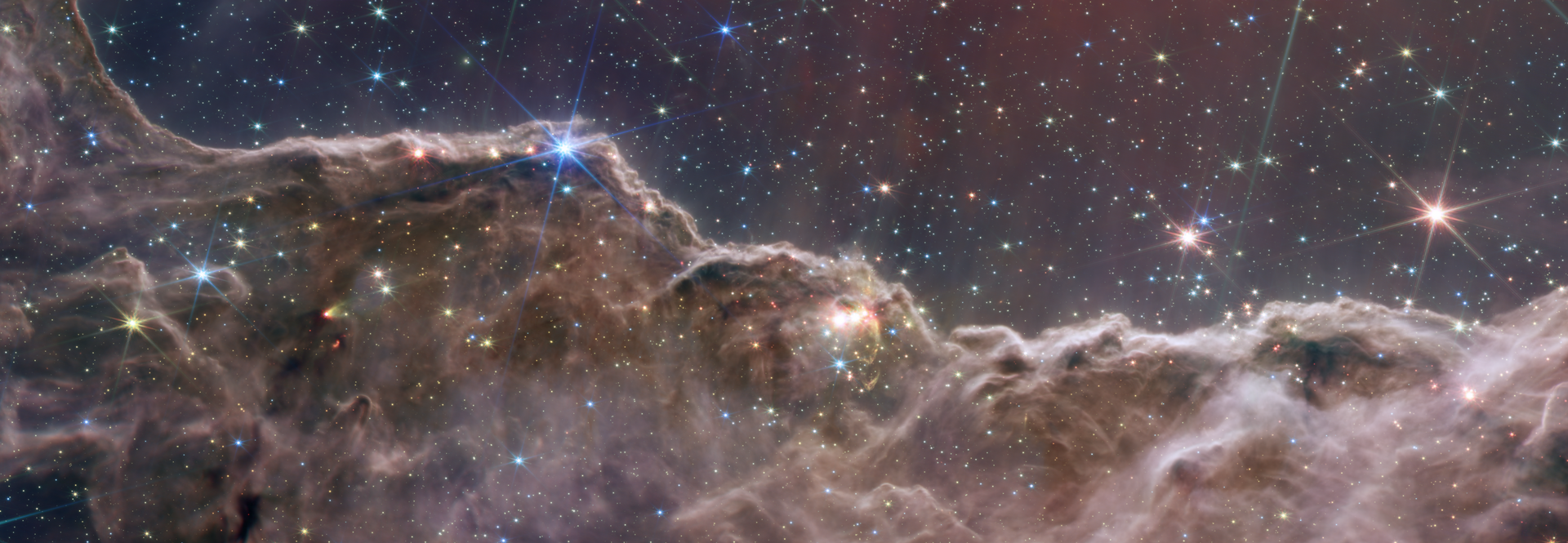
Where do the world, life, humanity and mind come from? From cosmogonies to laboratories and artworks working with living matter and AI, I studie four ancient questions. Myths do not predict science; they make us feel what it does not settle: the responsibility of creation.
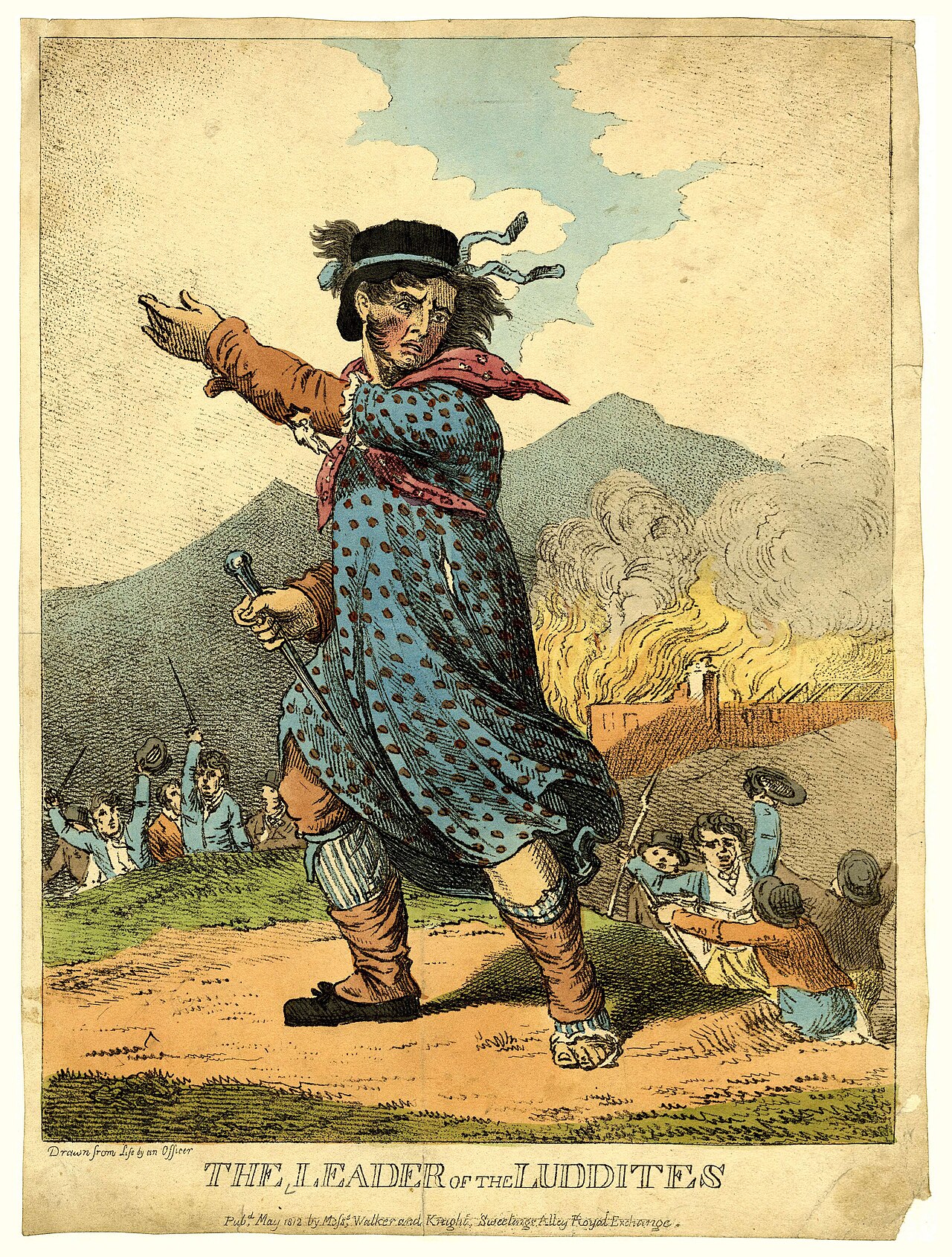
From Luddite hammers to AI models absorbing our knowledge, I trace a history of refusal. Against catastrophic risk and geopolitical monopolies, I propose Interlligence: an artwork and peer-to-peer infrastructure in which intelligence remains a commons.
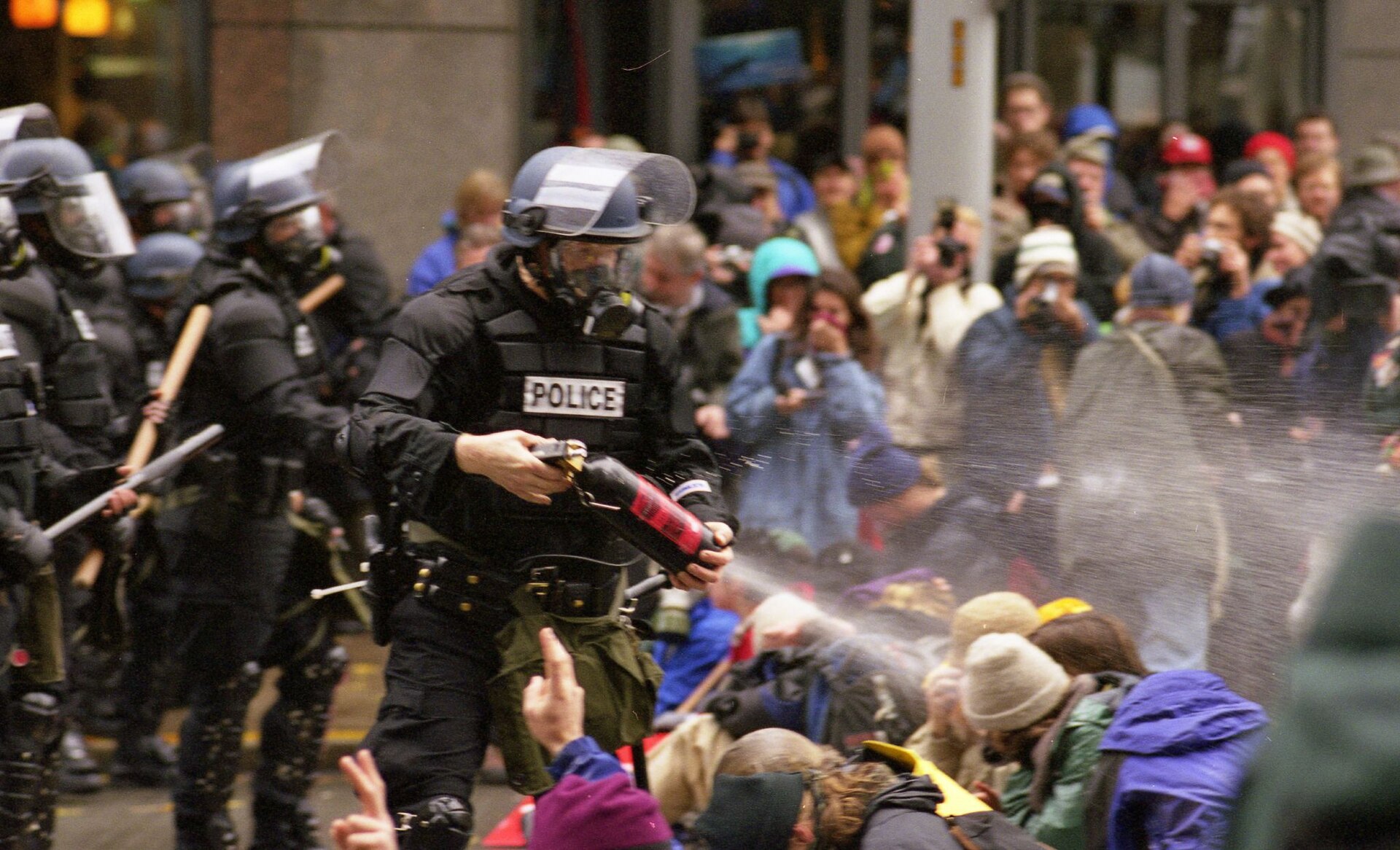
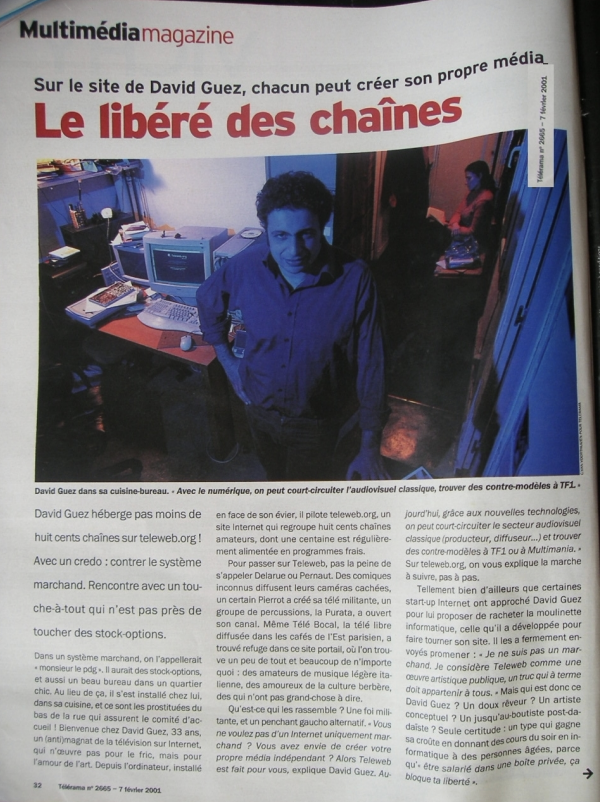
The Web was built by a multitude and enclosed by a few companies. From tactical media to Teleweb and TV-Art, I trace an artistic struggle over distribution and the rules of sharing. With AI, that struggle reaches a new front line: who owns, governs and profits from our collective memory?
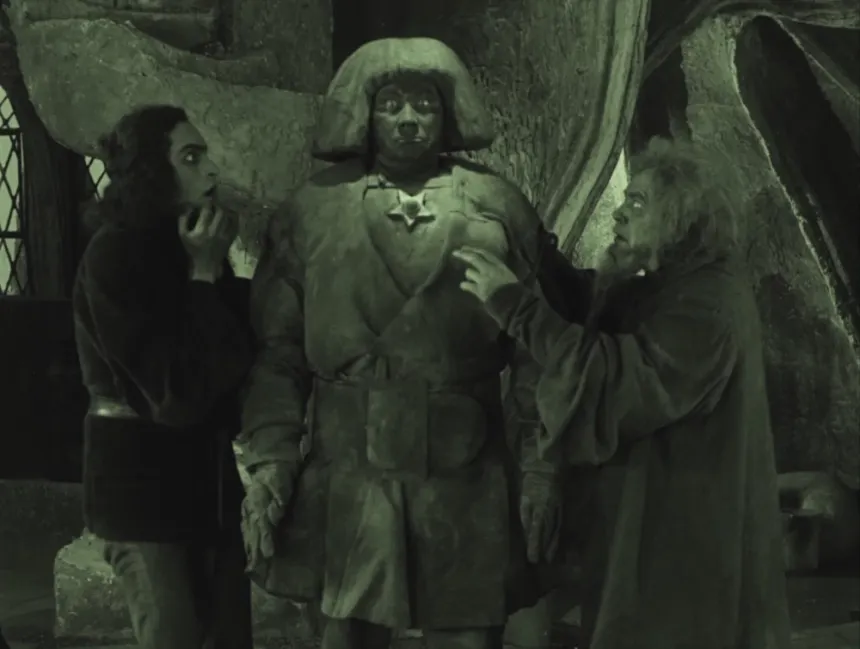
According to legend, five hundred years ago, a rabbi in Prague shaped a body from the mud of a river and brought it to life with a word. Today, millions of people shape text, images and sound from the same raw material: a sentence typed into an empty window. Between the two, nothing has really changed—except the scale, and the matter.
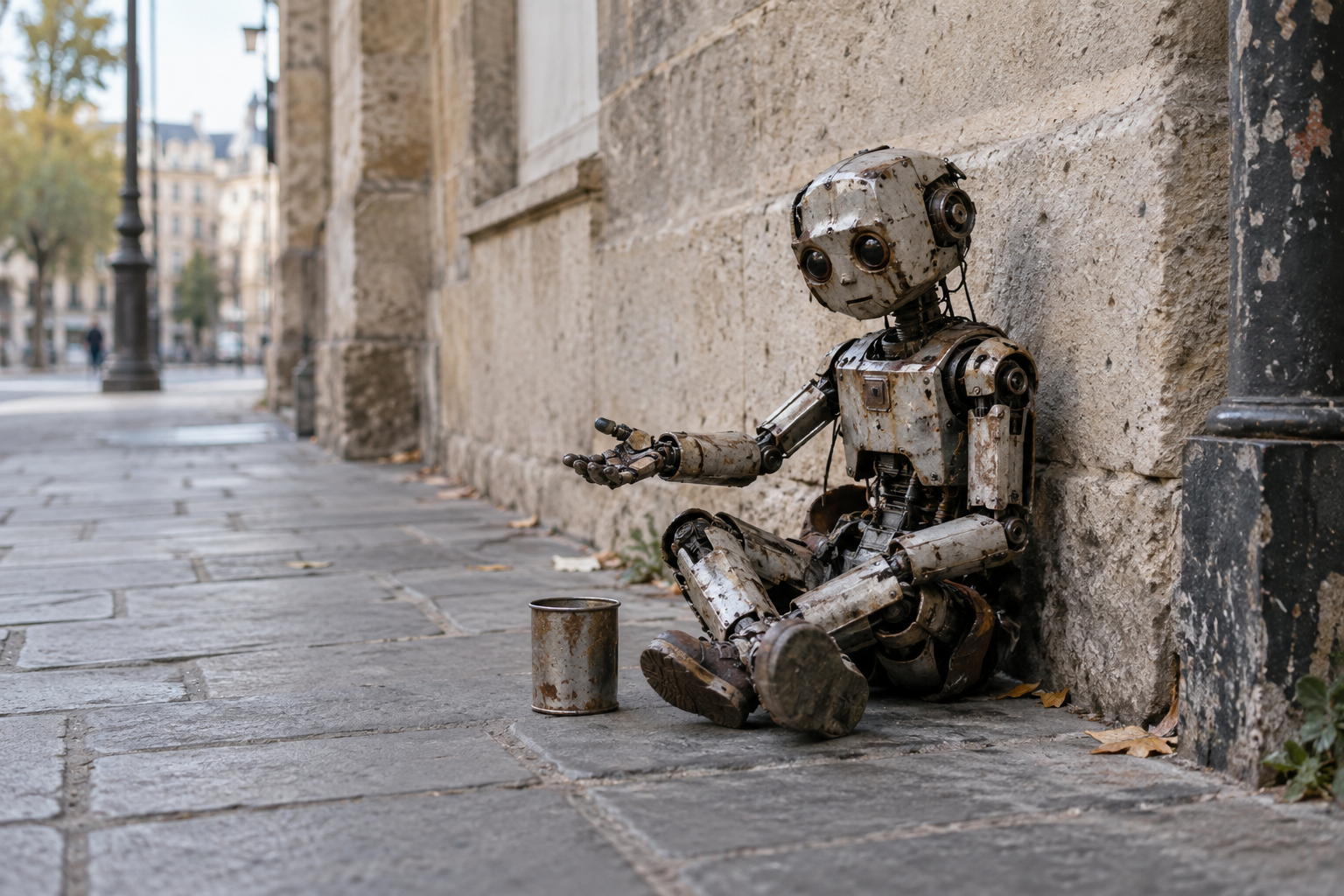
Robots are entering warehouses and military systems. Between Asimov’s Laws, the laws governing AI and the question of rights for AI, I imagine Useless: a begging robot that wanders, extends its hand and performs no service. What does our compassion for a useless machine reveal about how we see human beings?
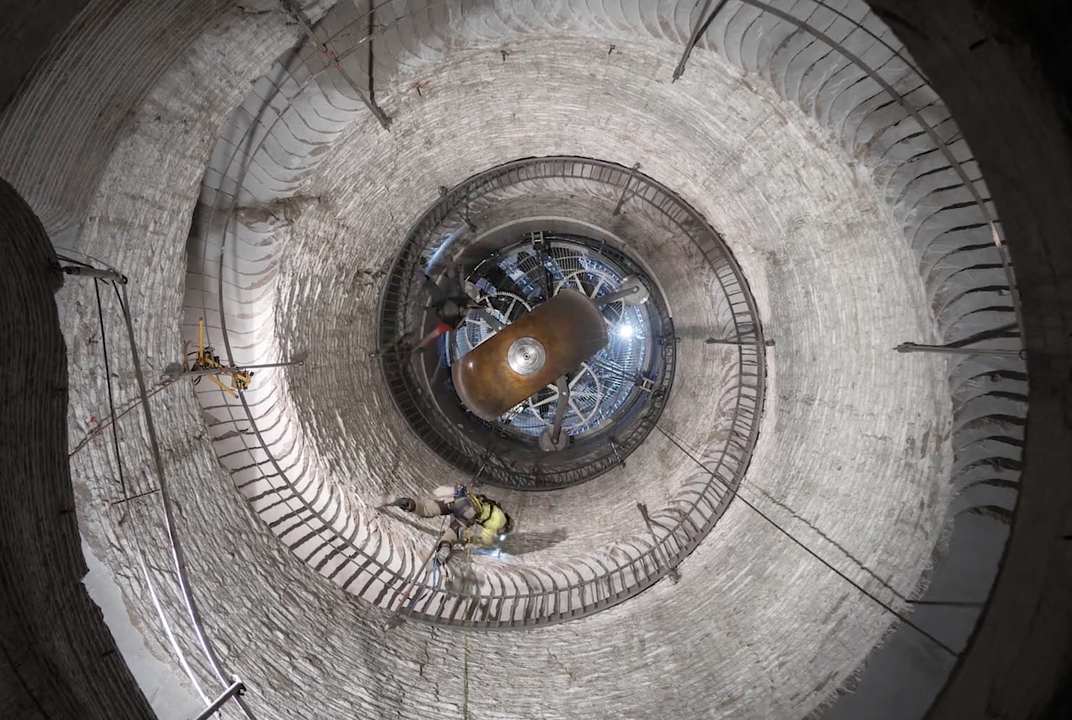
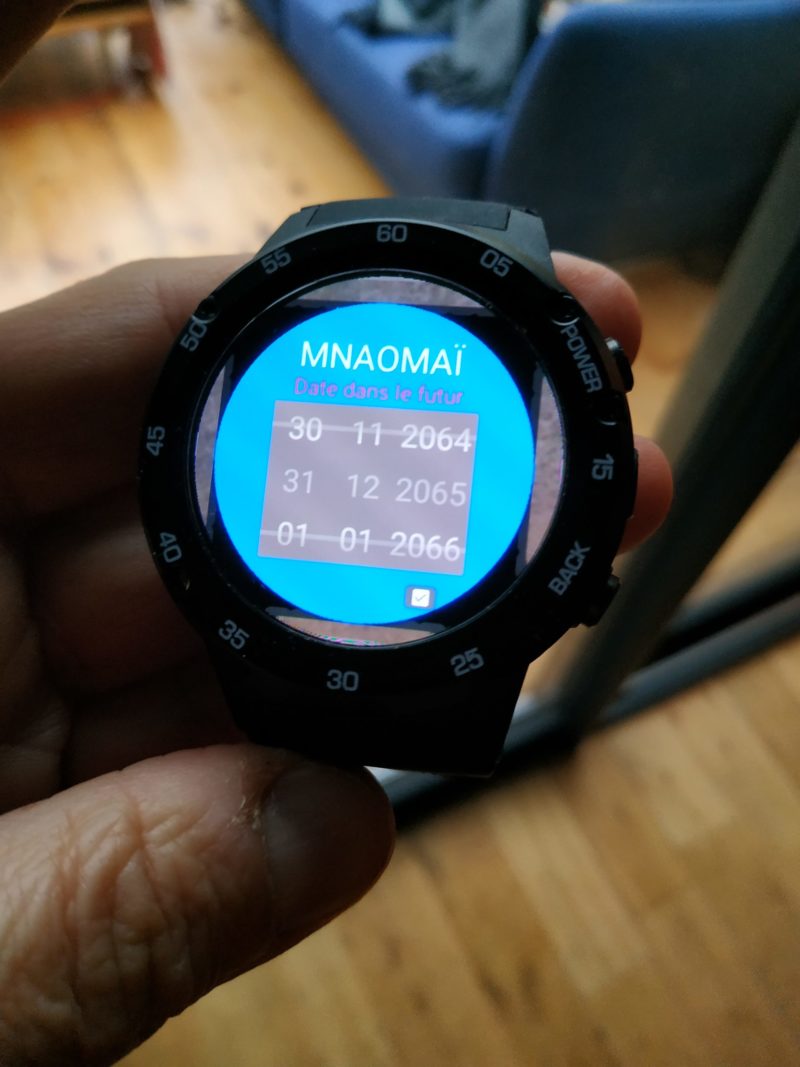
A clock designed to last ten thousand years shifts my perspective: what does it mean to create, write or preserve for recipients not yet born? From my project 2067, Email to the Future, I explore text, glass, DNA and cryptography—and the idea of an artwork whose true medium is transmission itself.
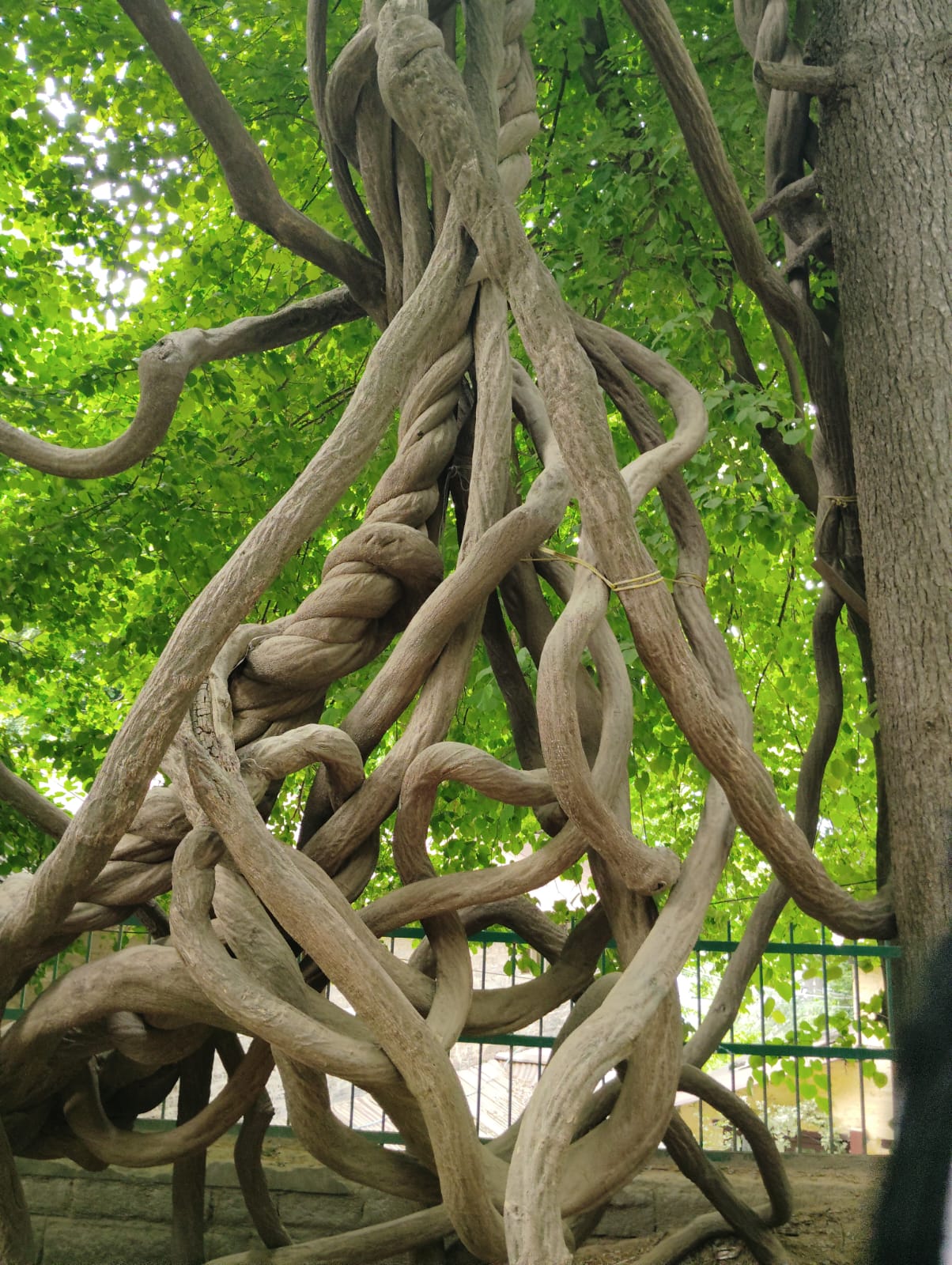
From Arrival to Levitation, an art-science hypothesis: AI as a relational milieu that reshapes how we think. Between plasticity, relational ontology and interligence, what future for our capacities can we still negotiate?
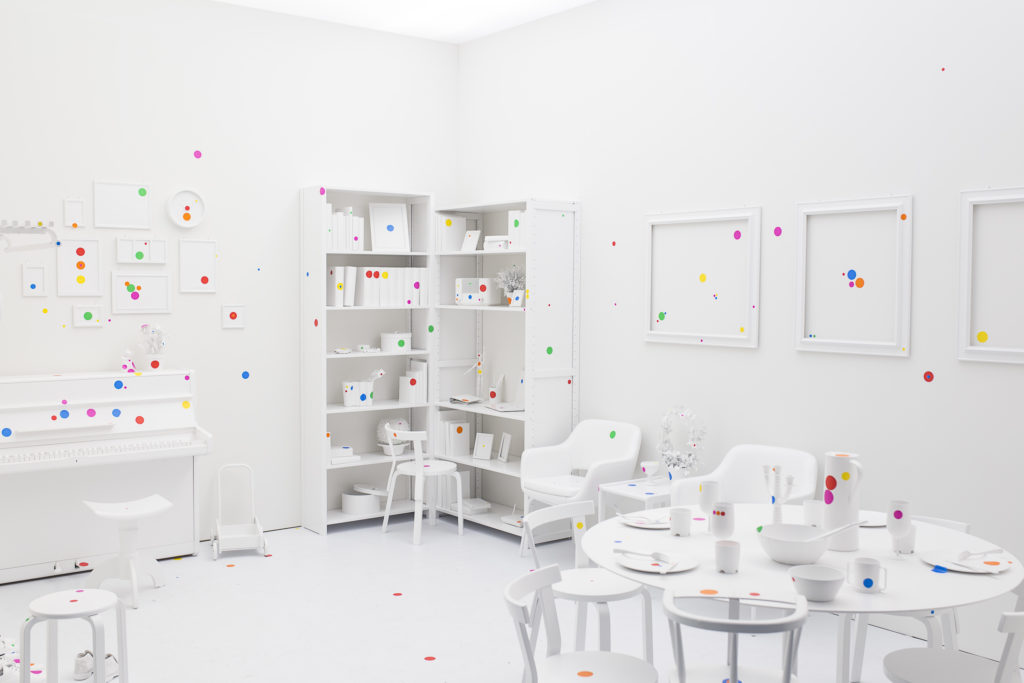
What happens to images when generative AI models learn from images produced by earlier models? I trace recursion across video games, Bach, biology and economics, distinguishing loops that enrich the world from those that thin out its traces. The essay ends with an interactive Generator of Void that readers can test directly on the page.
From The Mentor’s manifesto to McKenzie Wark’s, I trace a culture that turned technical curiosity into counter-power. For me, Teleweb and tv-art were attempts to hack media distribution. With AI, I now propose a machine that maps the rules surrounding a problem and opens ways to transform them.
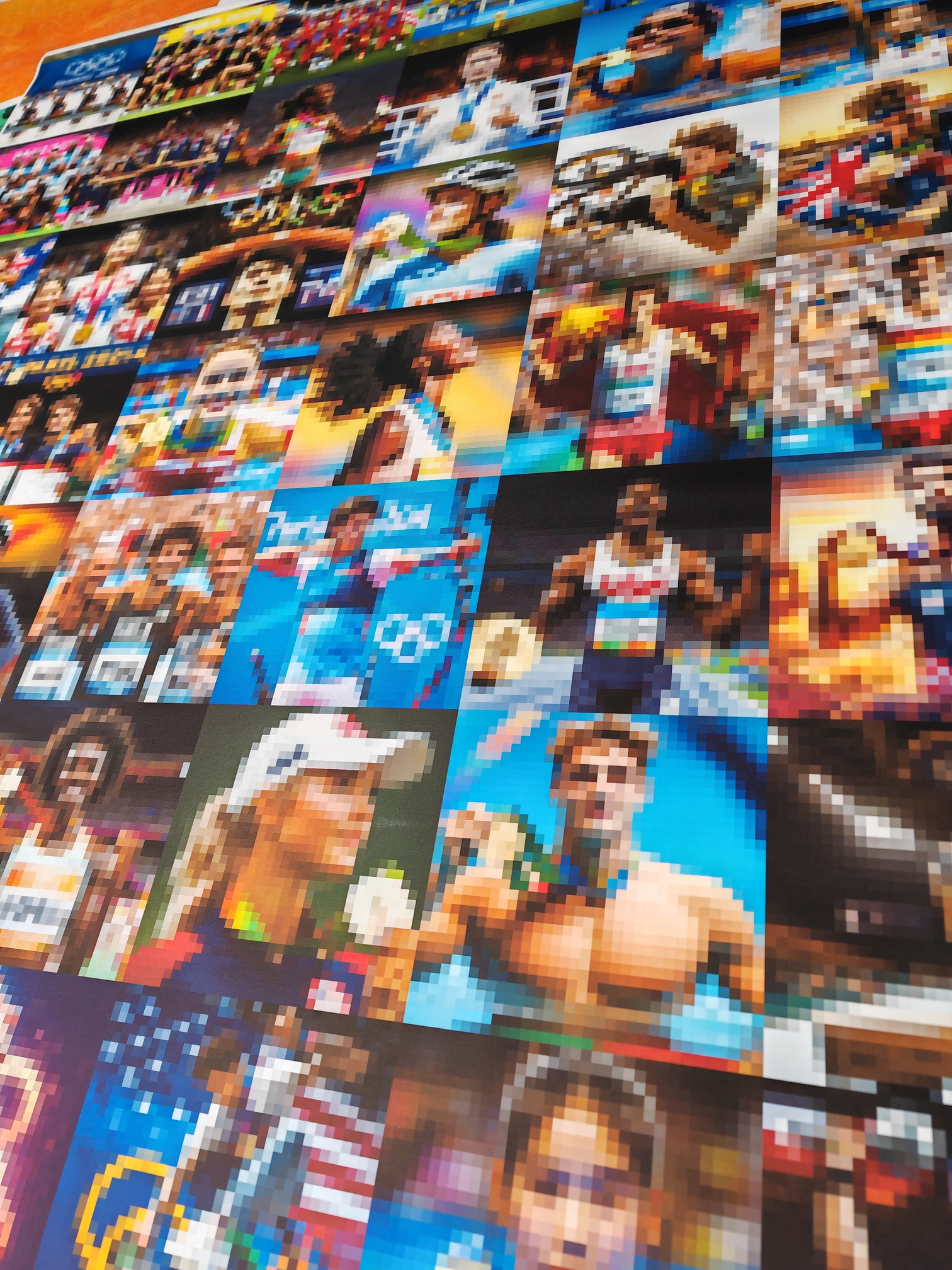
In 2024, for an exhibition project at the Centre Pompidou, I asked an AI to predict the Olympic winners before the Games took place. With AI Predictions 2027, I turn that experiment into a living observatory: 67 oracles evolve every day according to new data, their oracularity, their green, yellow or red status, and their self-fulfilling power.
In 1970, four rules invented by John Conway were enough to make gliders, machines and a vertiginous idea emerge: a local world can become unpredictable. From the Game of Life to fractals, open worlds, perceptrons, organoids and open-endedness, I explore the conditions for a universe that does not exhaust itself. I also imagine The Game of Neighbourhoods, an installation in which social rules become visible, debatable and revisable.
In 1968, American writer and editor Stewart Brand launched the Whole Earth Catalog: a directory of books, tools and knowledge that became a major work of the counterculture. I explore its aims, history and legacy to imagine what such a catalogue could become today, in light of new tools and AI: a first mock-up, Whole Earth Catalogue 2027, Issue 01, and the question of local, autonomous, transmissible knowledge kept off-grid.
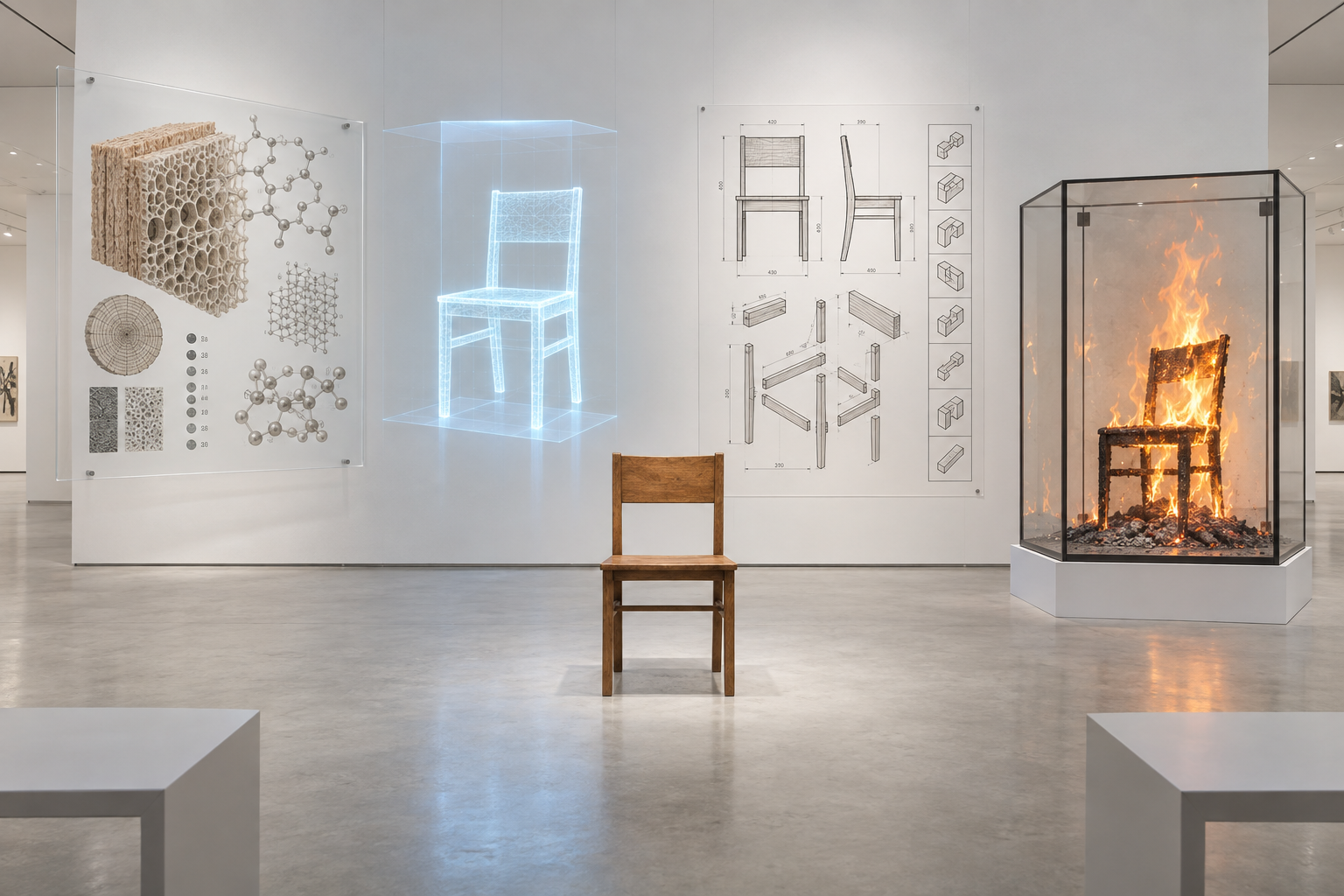
AI can produce images, videos, sounds and stories. But could it participate in art before representation, where rules, relationships and propositions take shape? From Lawrence Weiner and Sol LeWitt to MAIO and The Equation of Art, I explore a new form of conceptual art developed with AI. As a nod to Joseph Kosuth, I imagine a plural “fourth chair”: molecular, holographic, algorithmic, burning or defined through use.
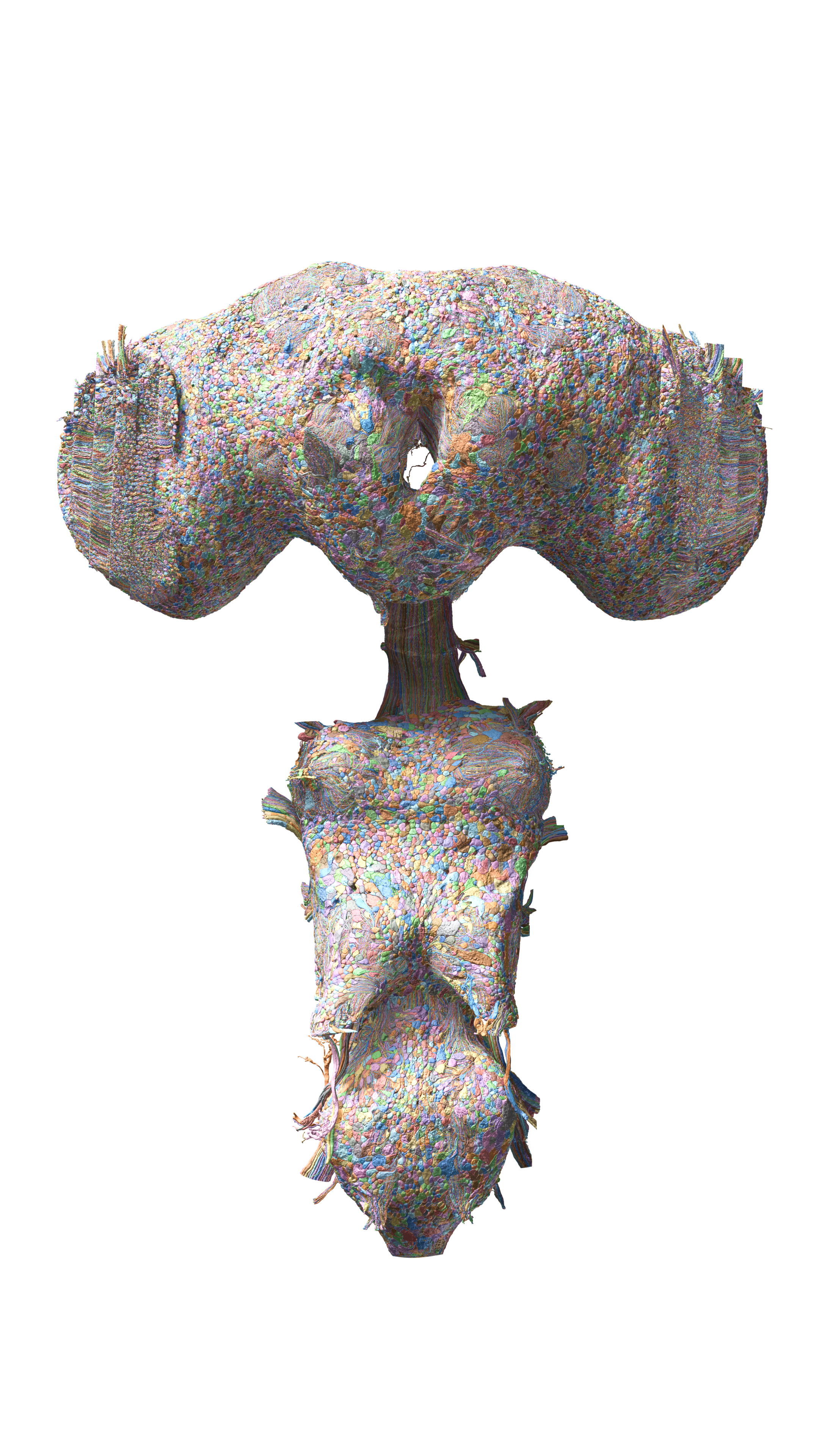
A fruit-fly connectome becomes an actor in Doom, Minecraft or a robot. What are we setting in motion: a brain, an architecture or a zombie without memory? Connecting this experiment to my A.L.I. work on solipsism and simulated worlds, I propose the “Threshold of Reality”: the moment simulation enters the world’s causal chain. I then imagine a forty-eight-hour performance in which a zombie fly controls all security systems in an art centre and becomes a genuine “guard fly.”
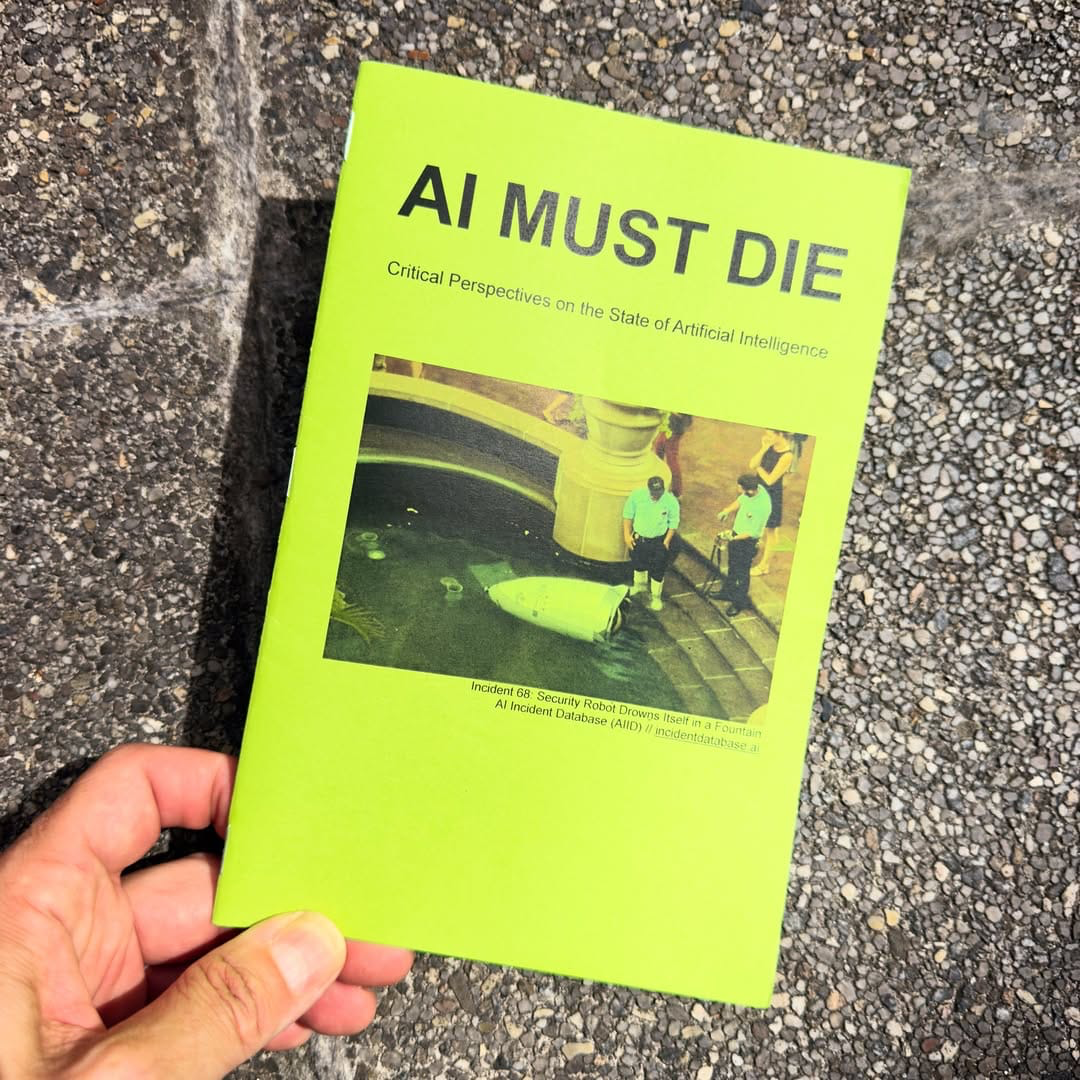
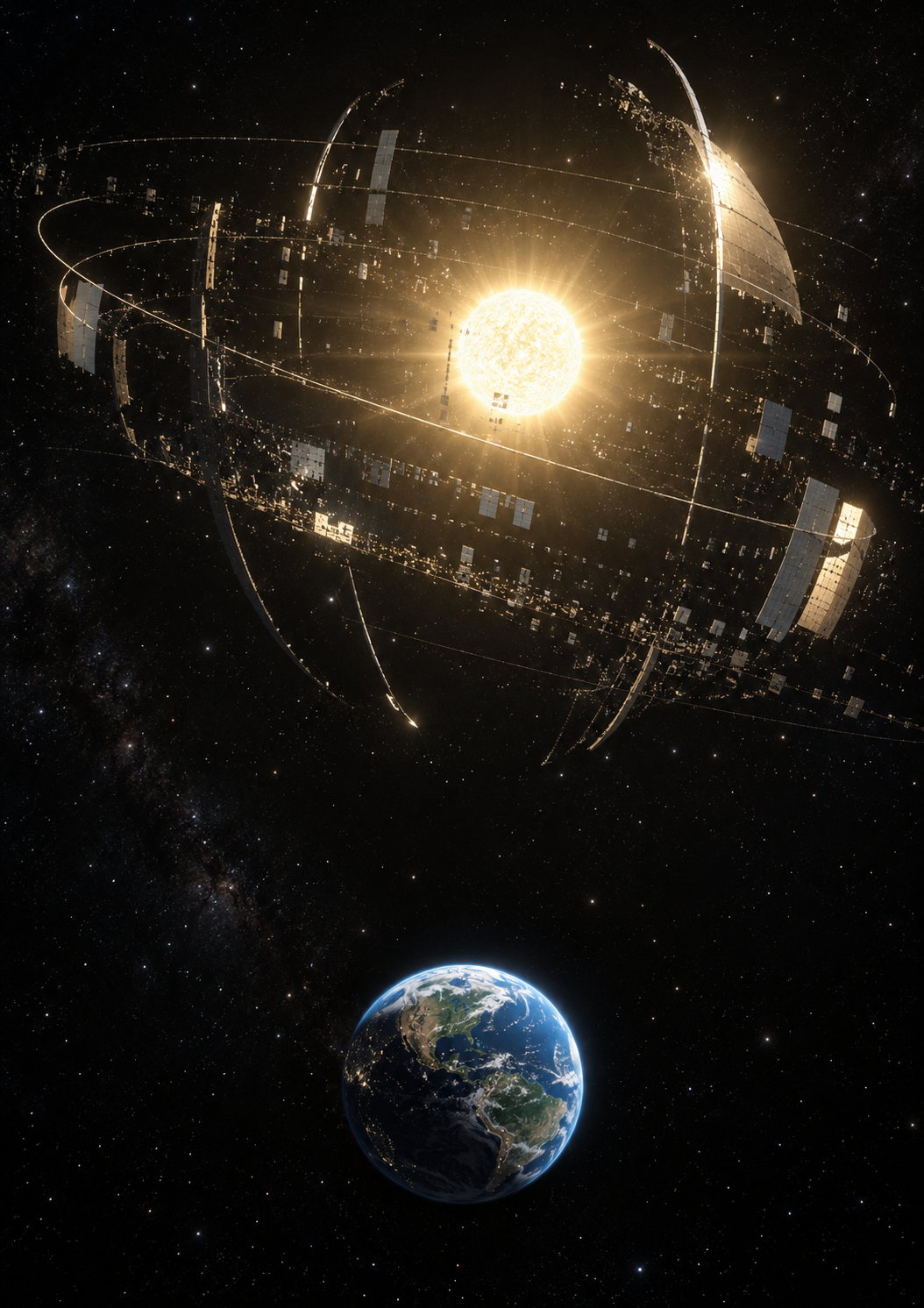
What if artificial intelligence did not simply extend Moore’s law, but manufactured an environment in which humanity becomes the slow, measured and finally unfit species? Starting from current events, the pamphlet AI Must Die and my E.L.I.O.T. project, I examine an acceleration that is as industrial as it is technical. I call “terminal Darwinism” the moment when machines no longer merely assist us: they impose the criteria by which we must work, speak, create and exist.
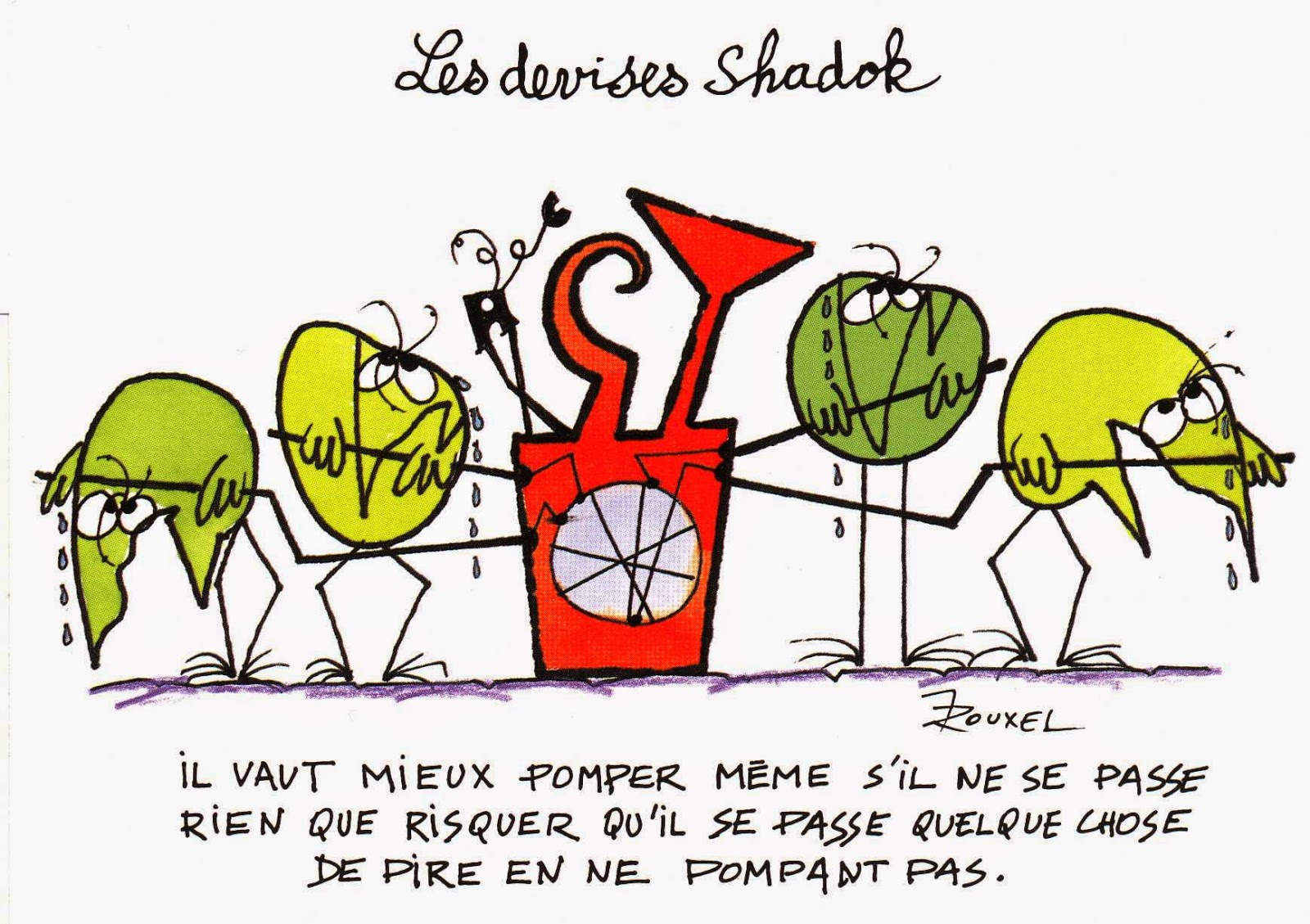
What if artificial intelligence stopped making images for a moment and examined what makes a gesture, object or situation enter the field of art?
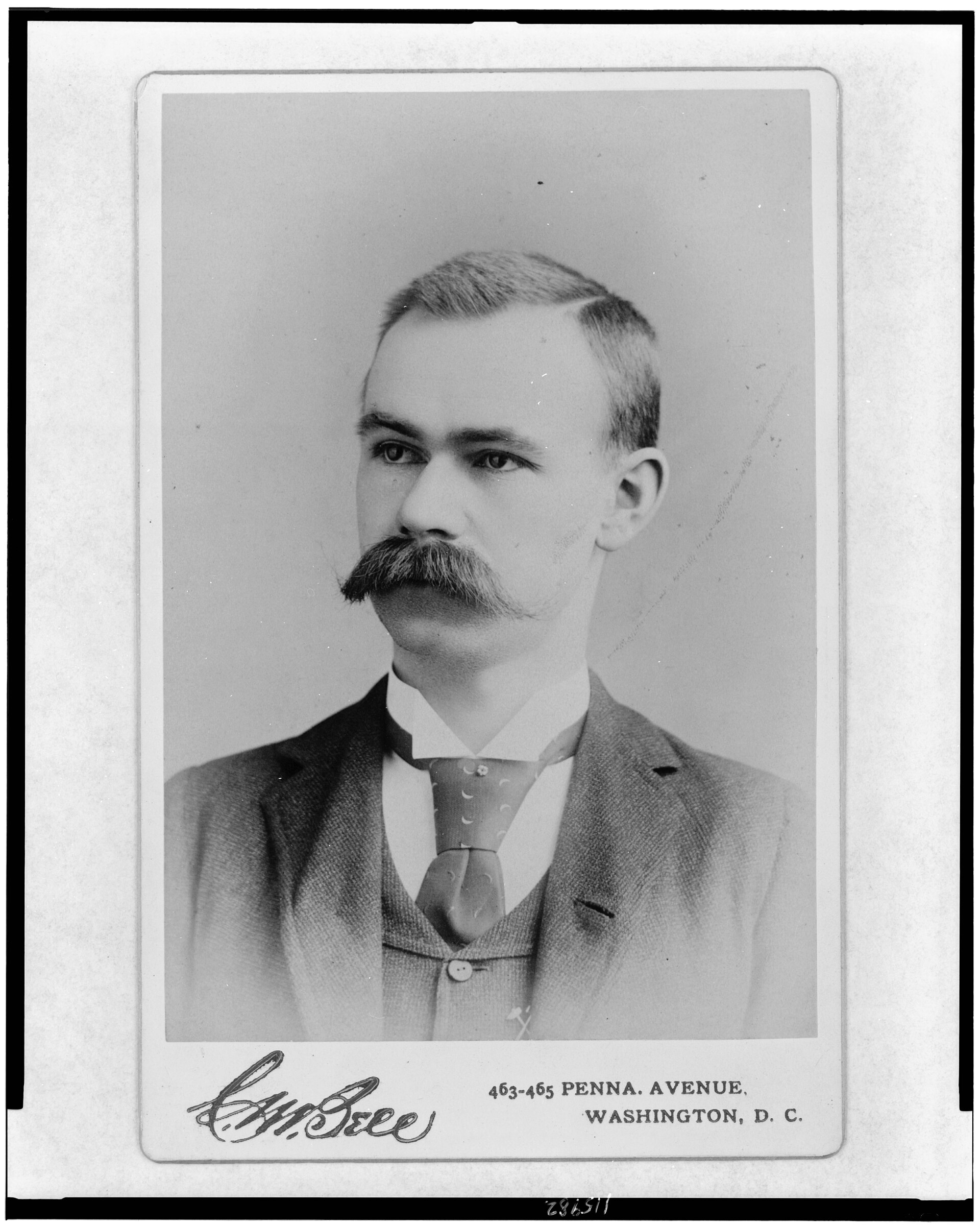
We readily ask what algorithms will do to our future. I chose to reverse the question: what have they already done to us? From Hollerith’s punched cards to recommendation systems, from automated finance to spyware, some algorithms have caused decisive turns in collective history and individual lives.
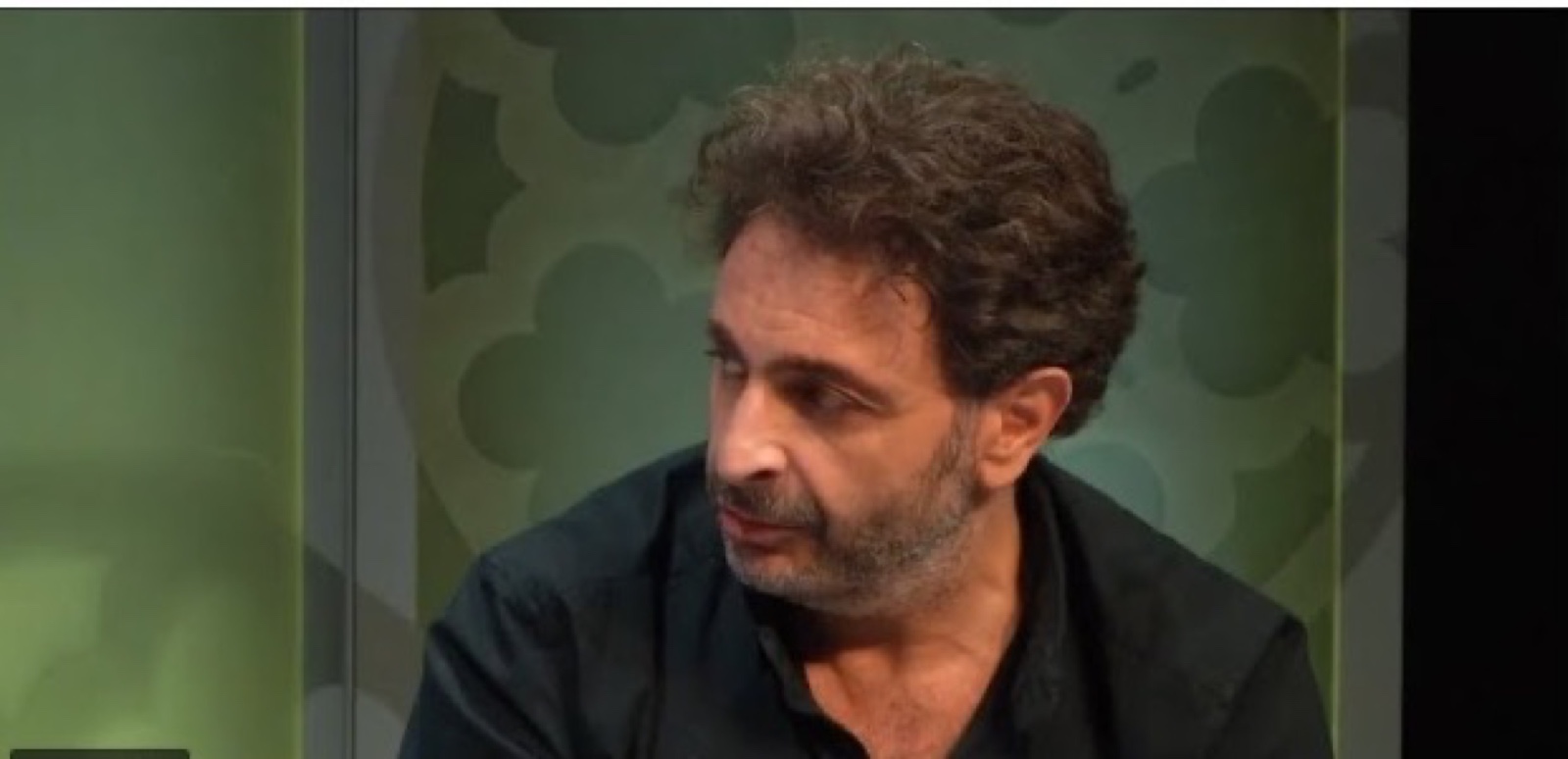
David Guez presents Dialogz: a project born from the Web, Le Livre des liens and the desire to engage with artificial intelligence without relinquishing what makes us human and alive.


